


CLI
silk run game/server.silk

With Silk by Lotus Mundi
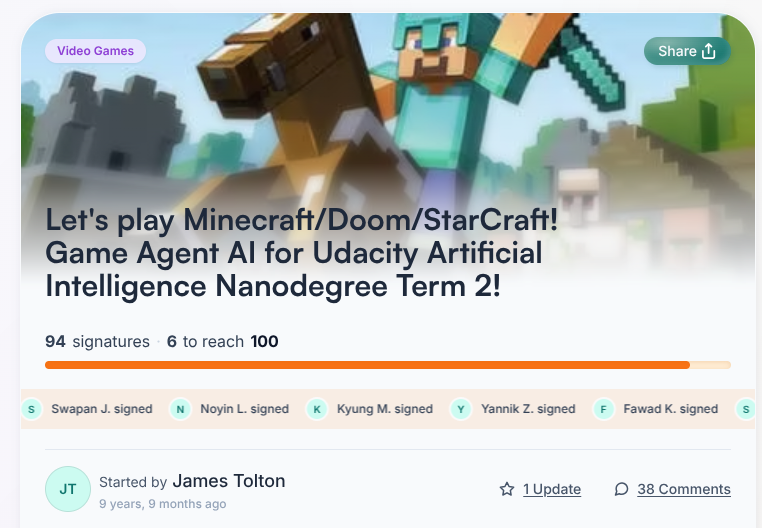
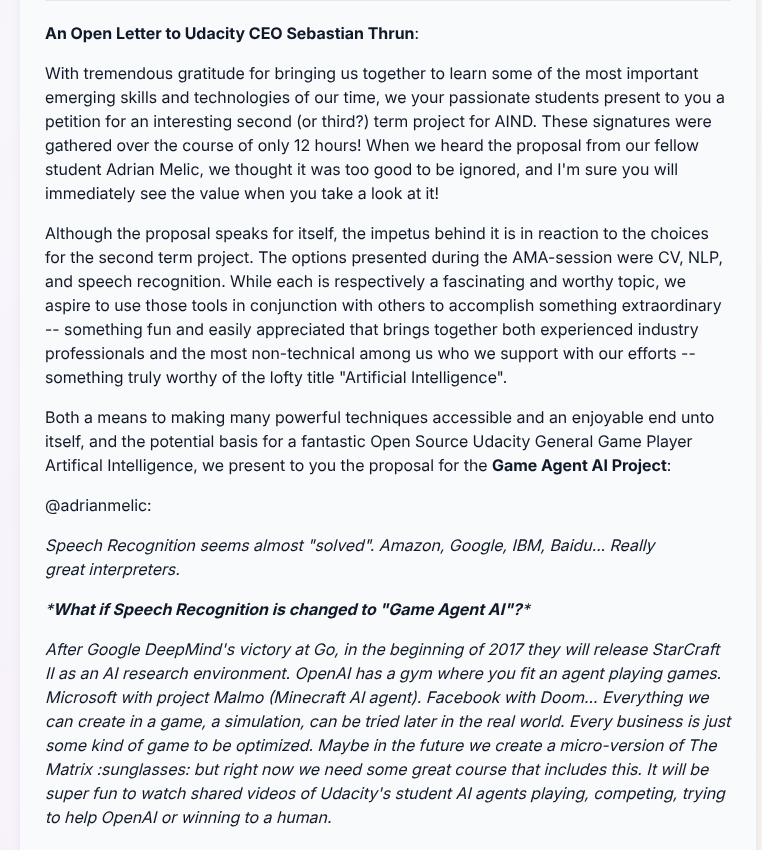
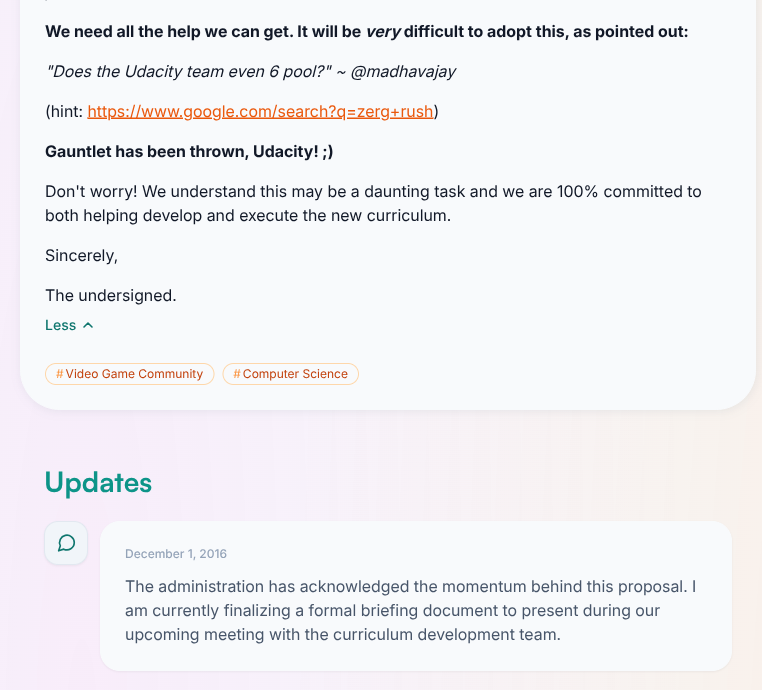
Open letter to Udacity CEO Sebastian Thrun · December 1, 2016 · ipetitions.com/petition/gameagentaind

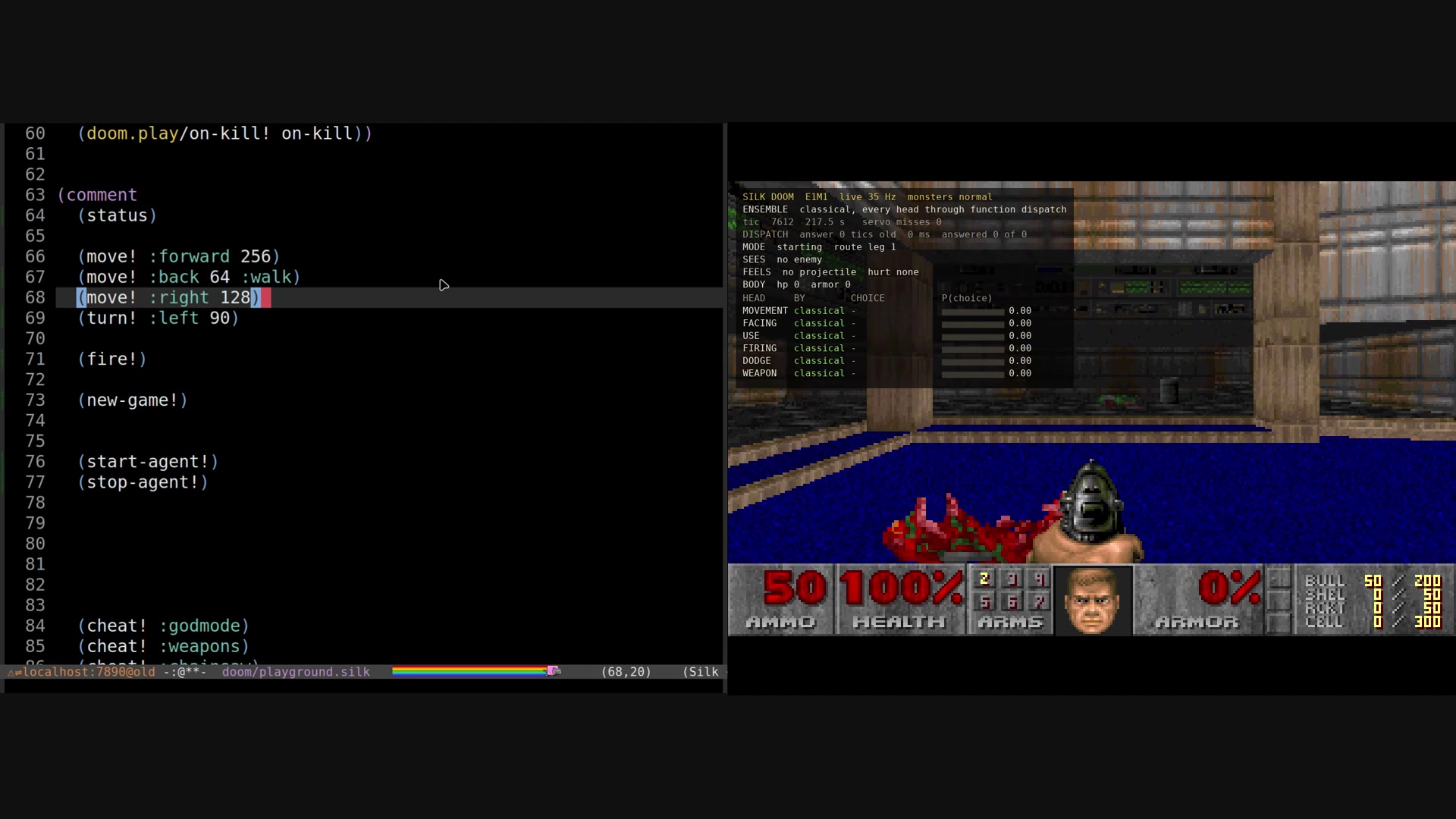

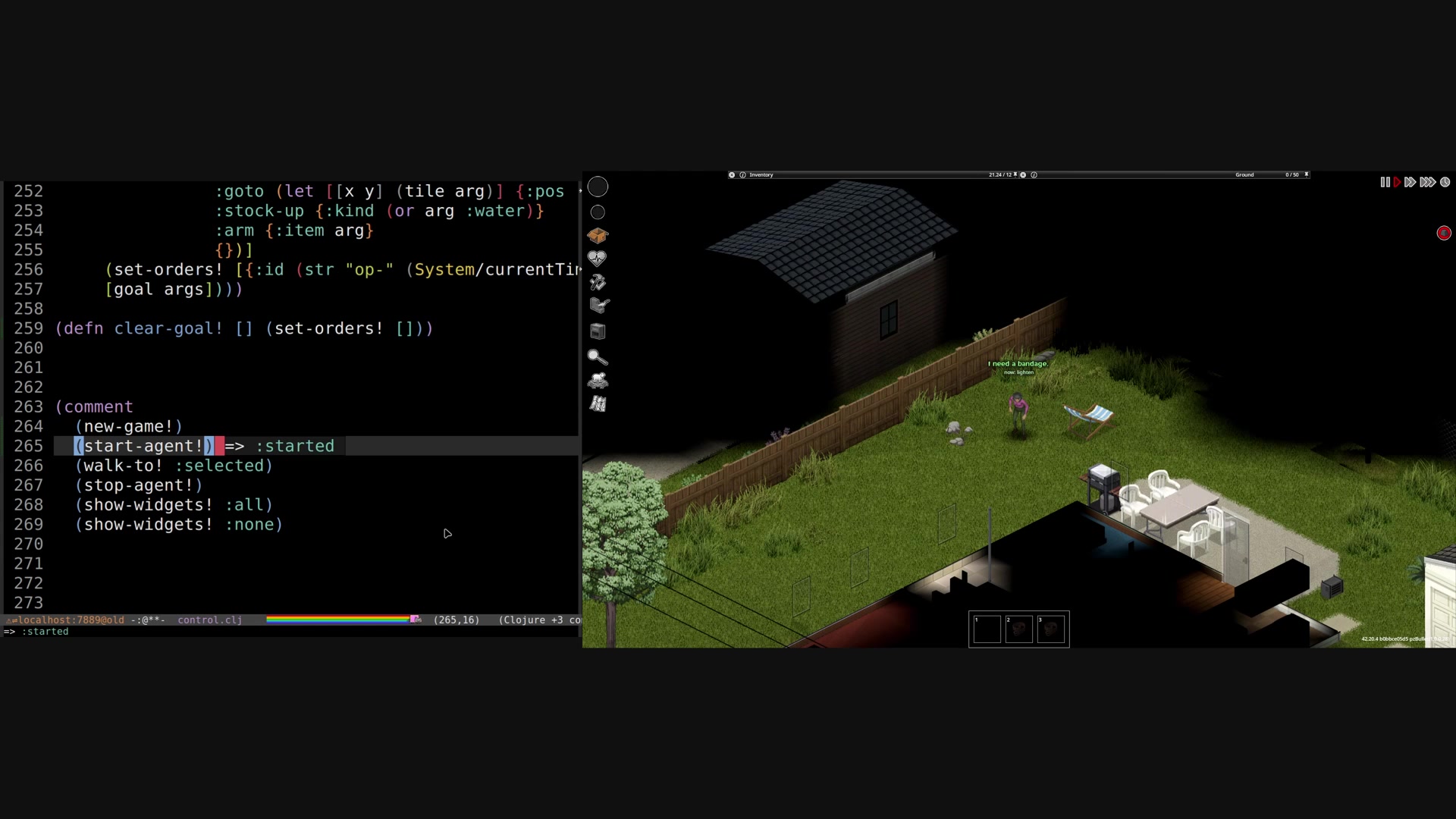

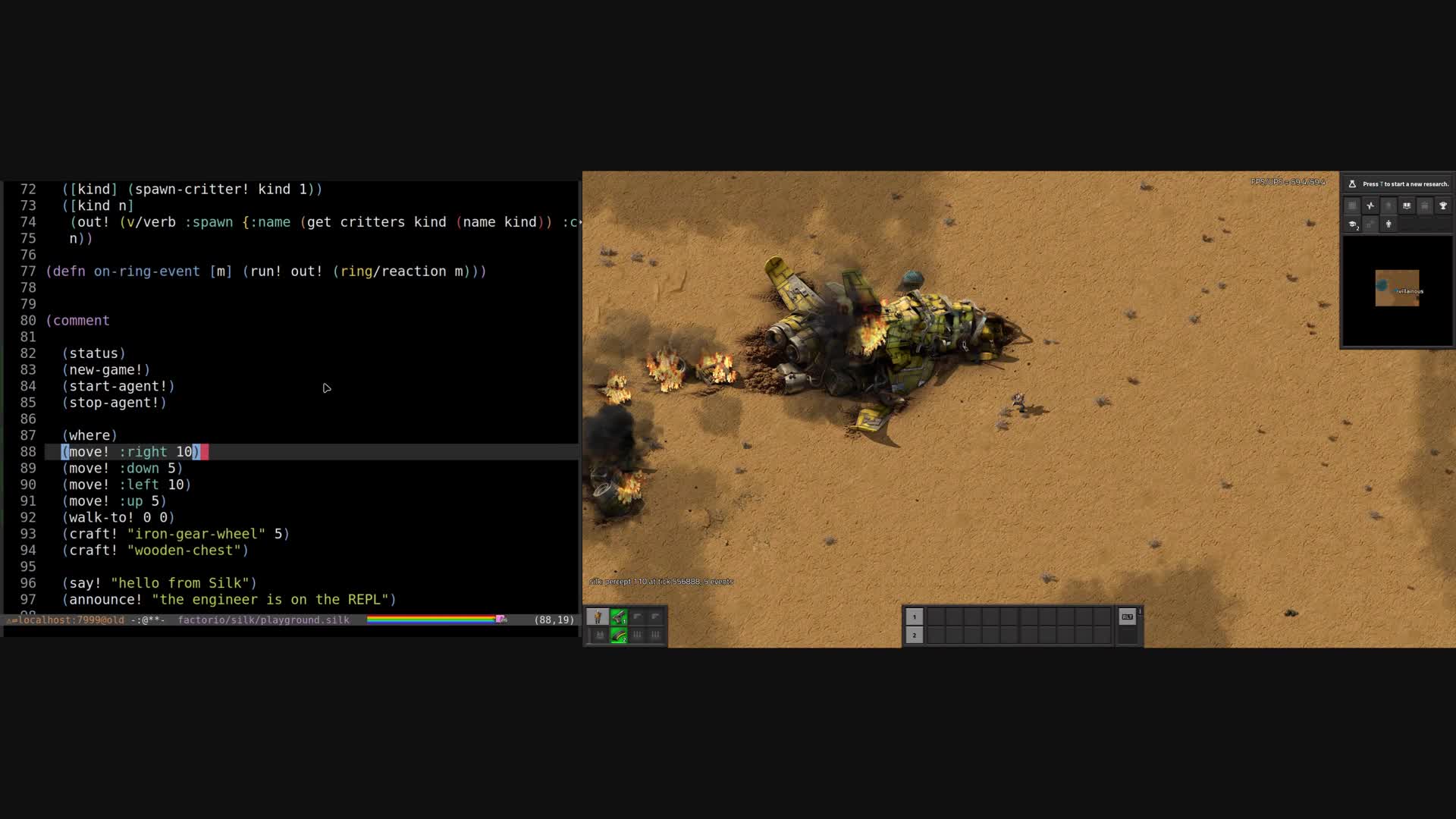
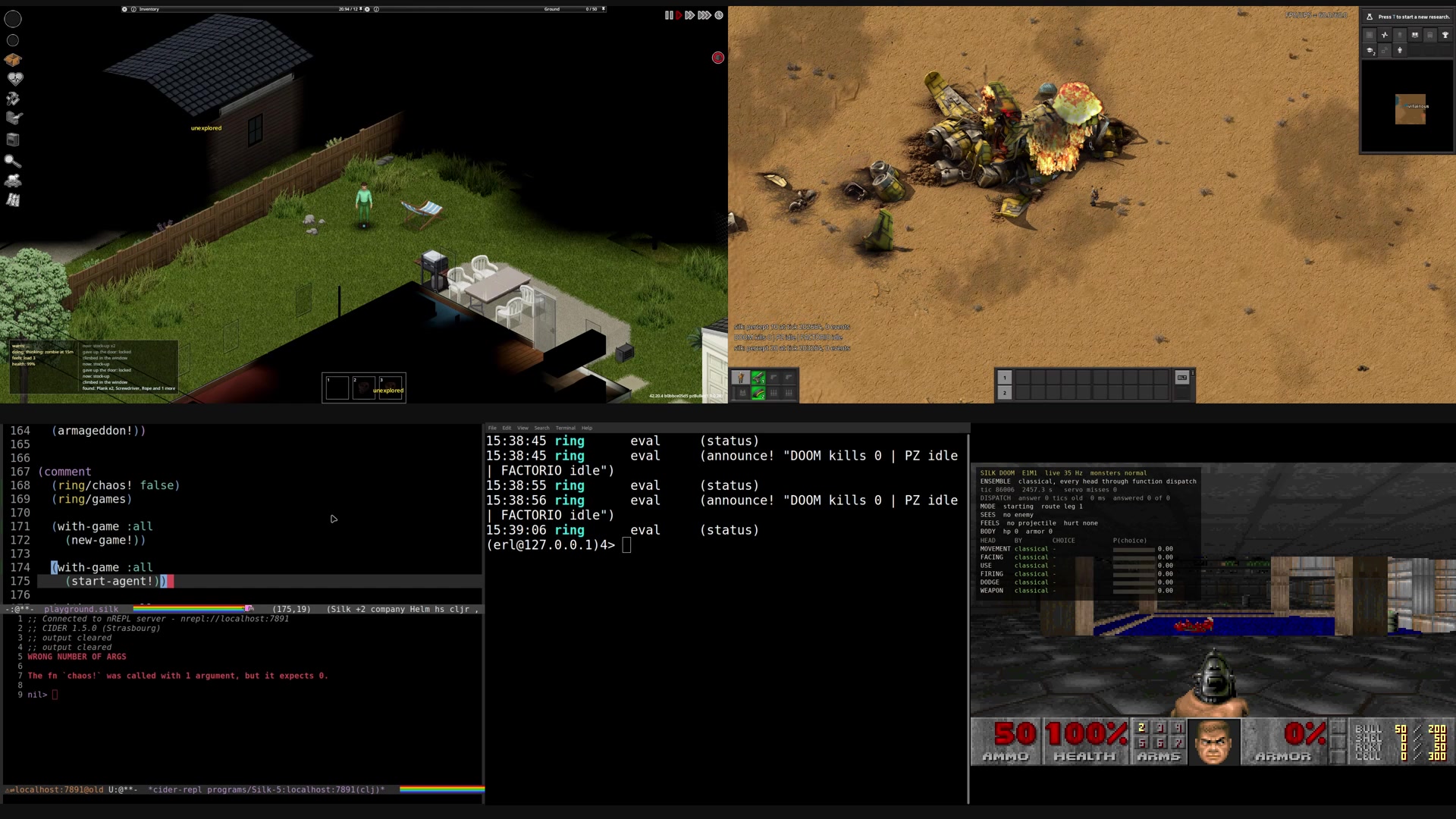
















A (love) language

A composition language

A tensor language
 Silk
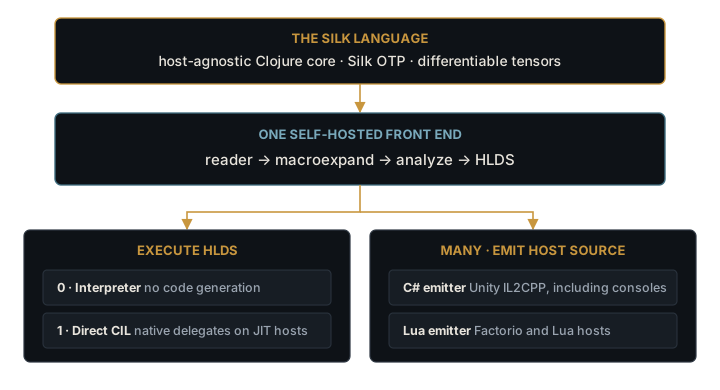





MyGame/Assets/
├── Scripts/Combat.cs
└── Silk~/game/combat.silk


At evaluation
One artifact
Unity · downstream builds
345 suites written for Silk test the language, runtime and standard library with clojure.test: 11,958 assertions, run on every backend. 142 xUnit tests cover the .NET host.
Silk’s results are compared with those of a reference implementation, namely real Clojure under Babashka and stock Erlang/OTP. J is a second reference for APL questions. A deliberate difference is recorded as a divergence.
Hosts and backends are checked against each other. A compiled program must reproduce the interpreter’s output exactly, the HLSL that ships is checked against the CPU run, and every tensor run is judged for backend parity.
OTP invariants are stated as properties and checked on generated inputs, with stock Erlang/OTP as the reference. The suites run continuously.
Fuzz scenarios are generated from a seed and can be replayed. A long-running soak process re-runs each failure to confirm it and records the seed that reproduces it. Since June, 756 soak campaigns have run.
83 suites ported from Clojure’s own test tree run against Silk, and all pass. A test marked as expected to fail that starts passing fails the build until the mark is removed.
A Scryer Prolog grammar enumerates 93,855 tensor programs from a formal presentation of the language. Each is judged against Dyalog APL, and none fails; no LLM writes or selects cases.
Language behavior is first specified as executable acceptance tests in Farley’s four-layer style, before the runtime implements it. A lint fails the build if a host term leaks into the upper layers.
Every product and application is itself a test: each game, mod, tutorial, IDE integration and manual example. Unity play-mode tests start a real Erlang node and check its output.
Linters and static checks run in the fast gate. silk fmt --check rejects unformatted code, and the editor warns on any definition that cannot run on the strict profile.


Into the game loop
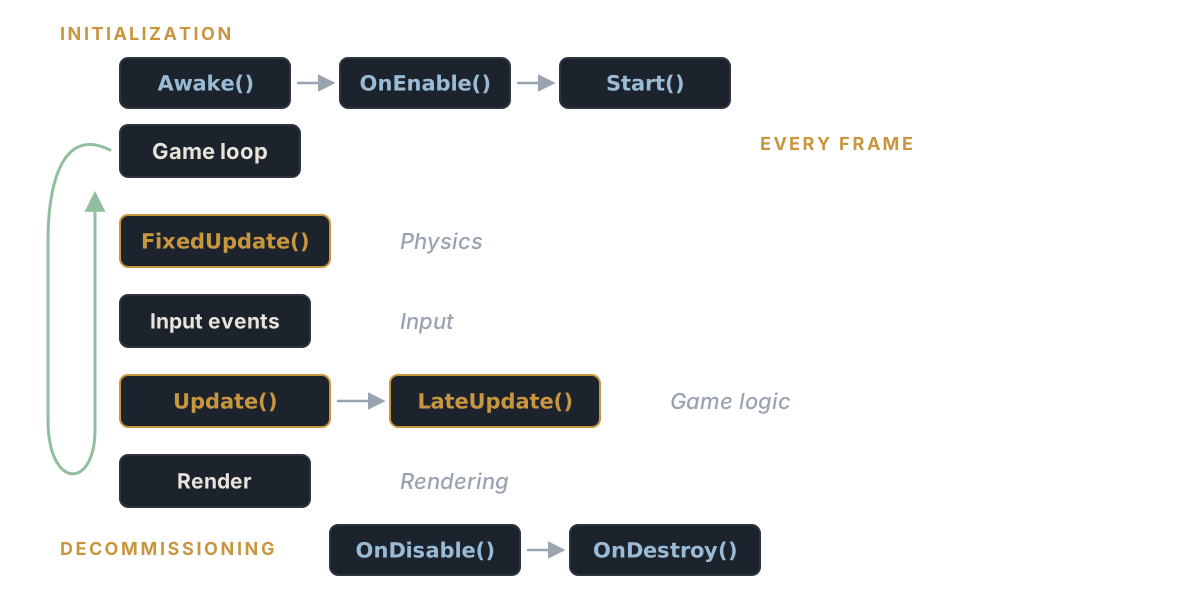

MonoBehaviour components

UActorComponent

Scripts on a node tree

C# components
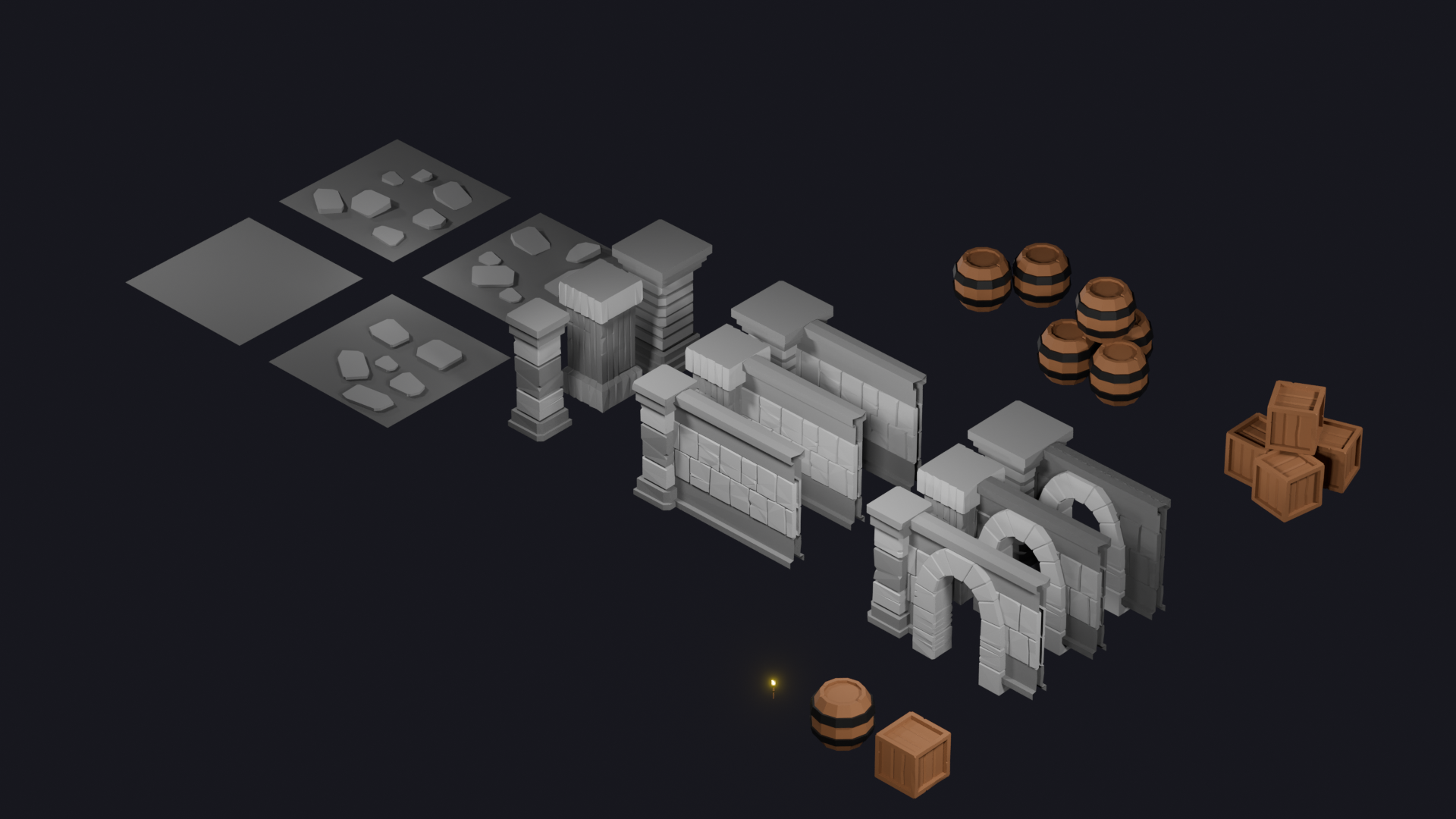
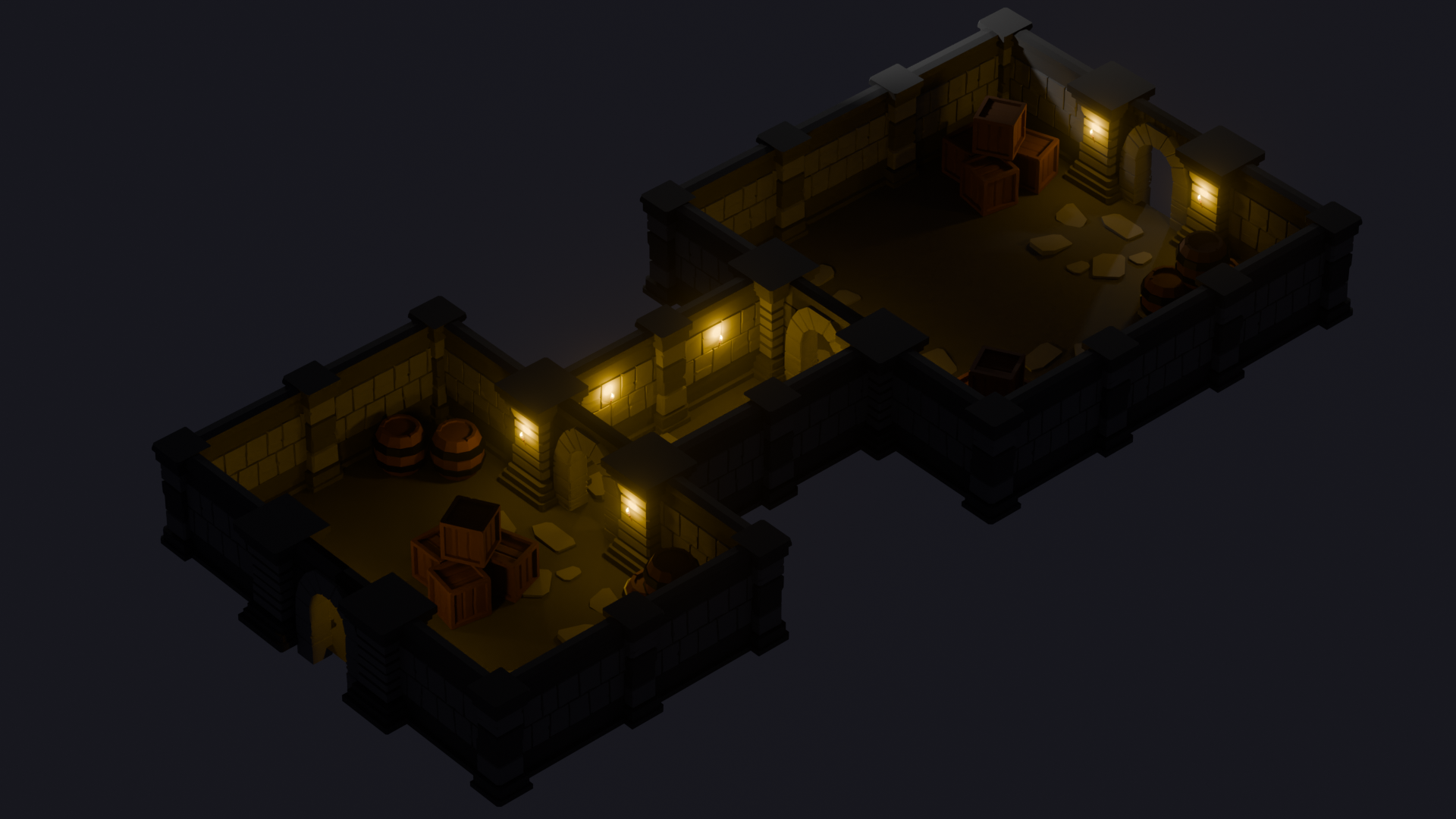
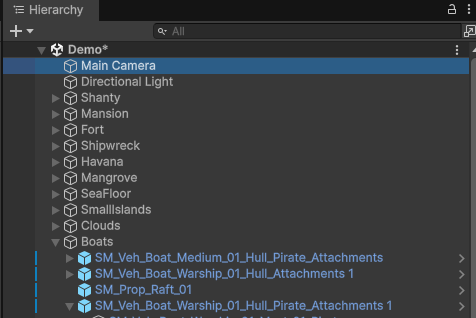
Scenes + prefabs
Levels + Blueprints
Nested scenes
Scenes + prefabs
C++ engine · Lua mods

Java · Kahlua

C# · Unity · Harmony

C# · MonoGame · SMAPI

Osiris · Lua via Script Extender
Original C · C# port
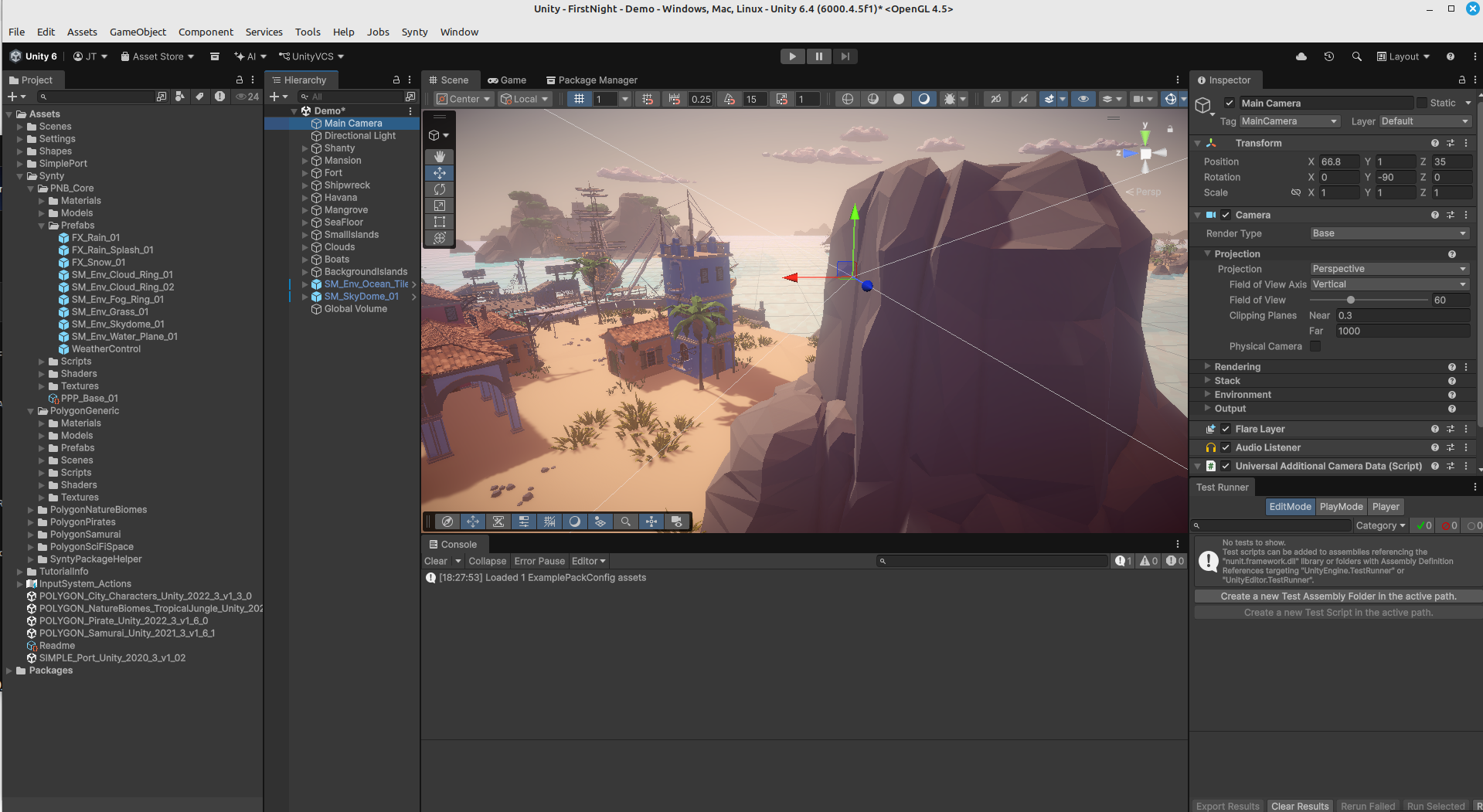
 Silk
The WASM model
???
OTP
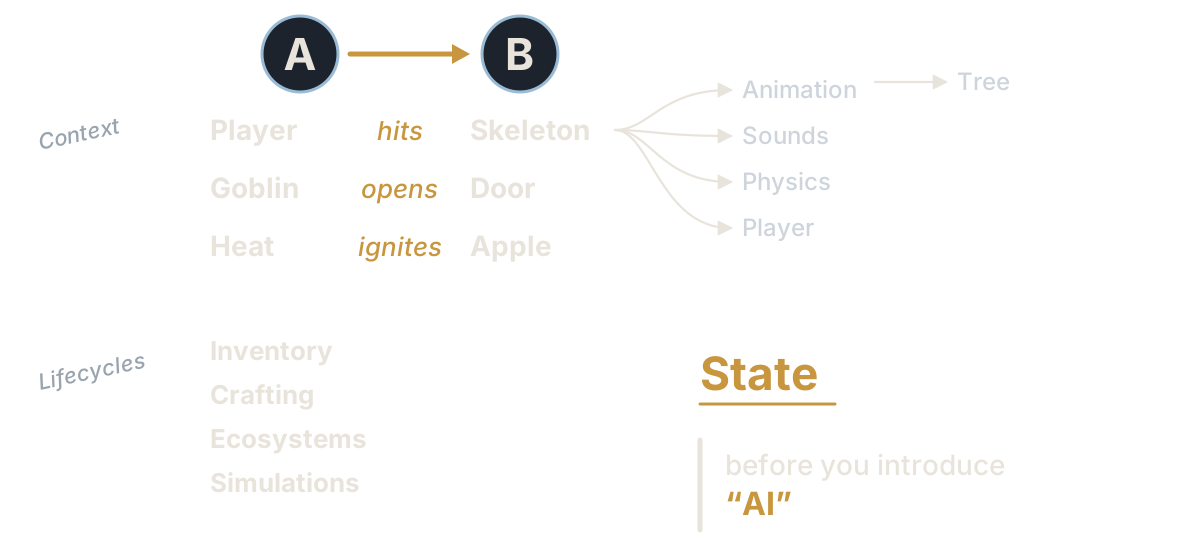
public sealed class PlayerCombat : MonoBehaviour
{
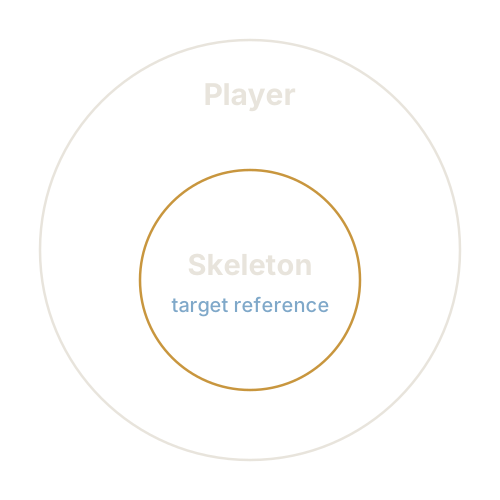
    [SerializeField] Skeleton target;
    public void Attack() => target.TakeDamage(10);
}

public sealed class Skeleton : MonoBehaviour
{
    [SerializeField] int hitPoints = 30;
    public void TakeDamage(int amount)
    {
        hitPoints -= amount;
        if (hitPoints <= 0) Destroy(gameObject);
    }
}
view = f(data)Who owns state, order, and lifetime?
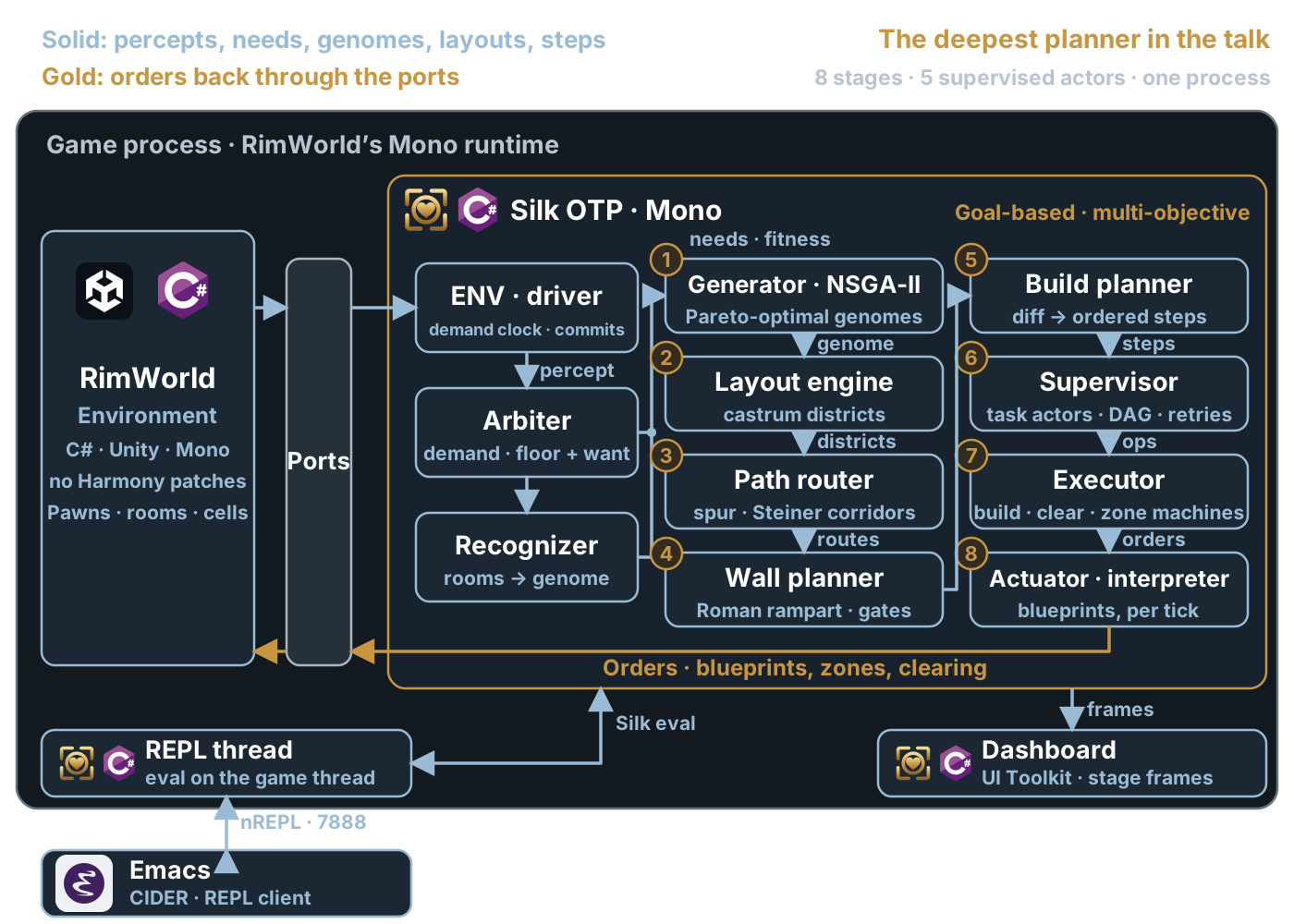
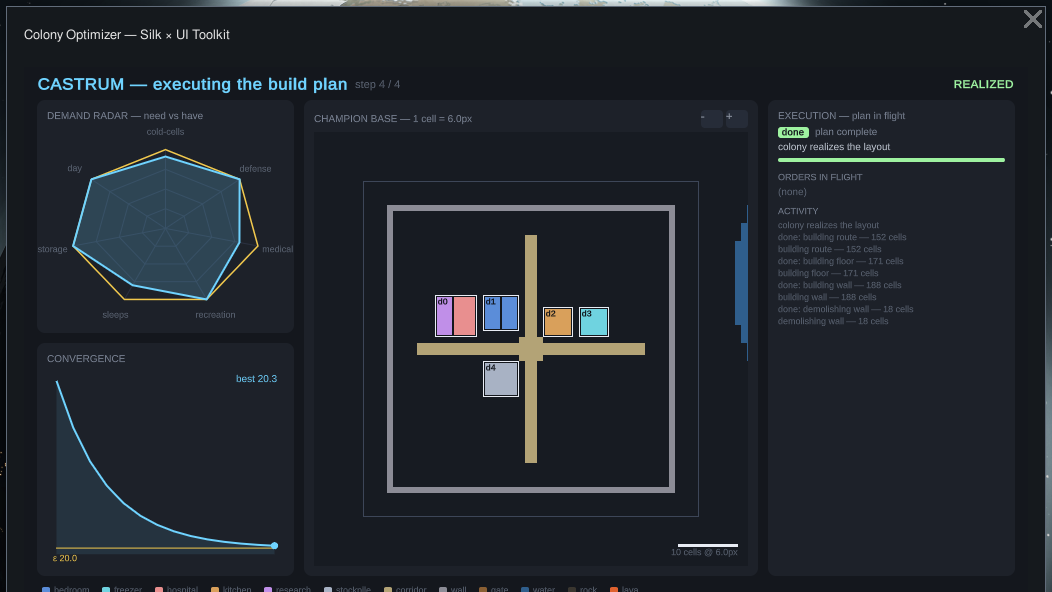
Colony Optimizer · Silk × UI Toolkit: demand radar, convergence, champion base, orders in flight
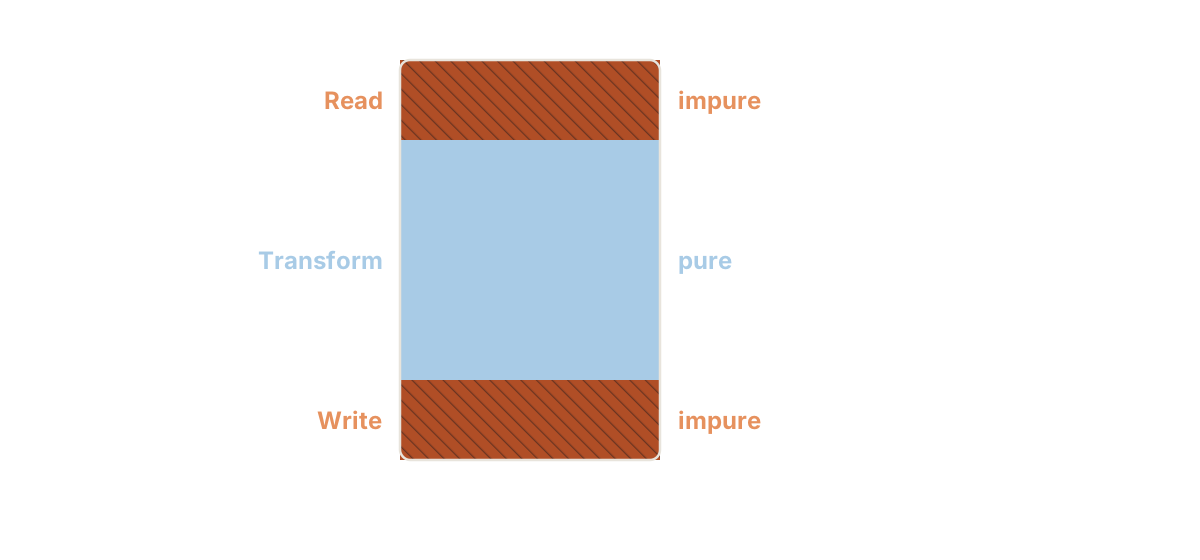
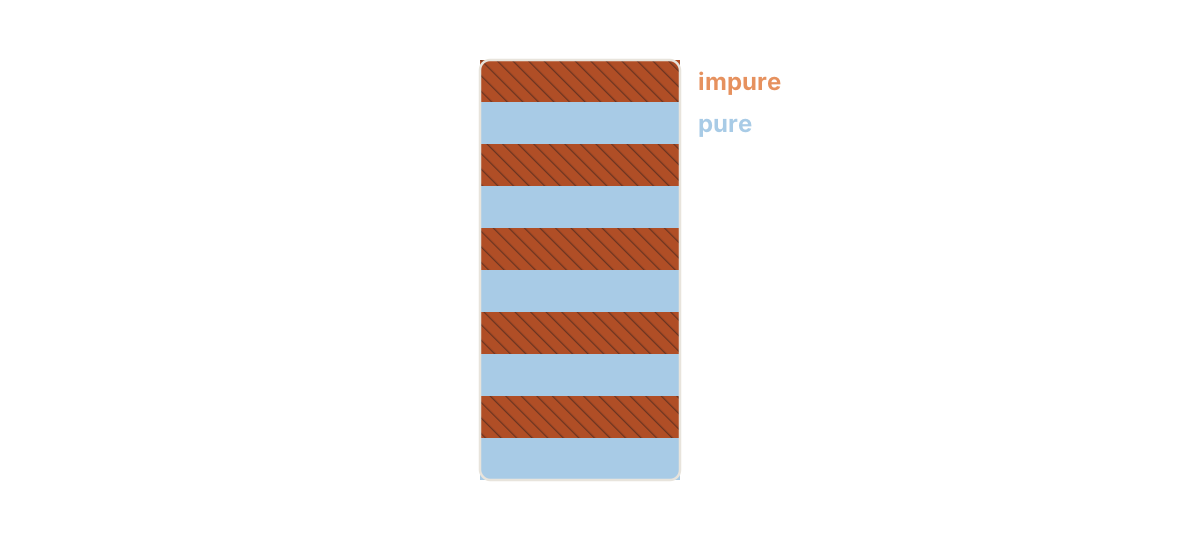
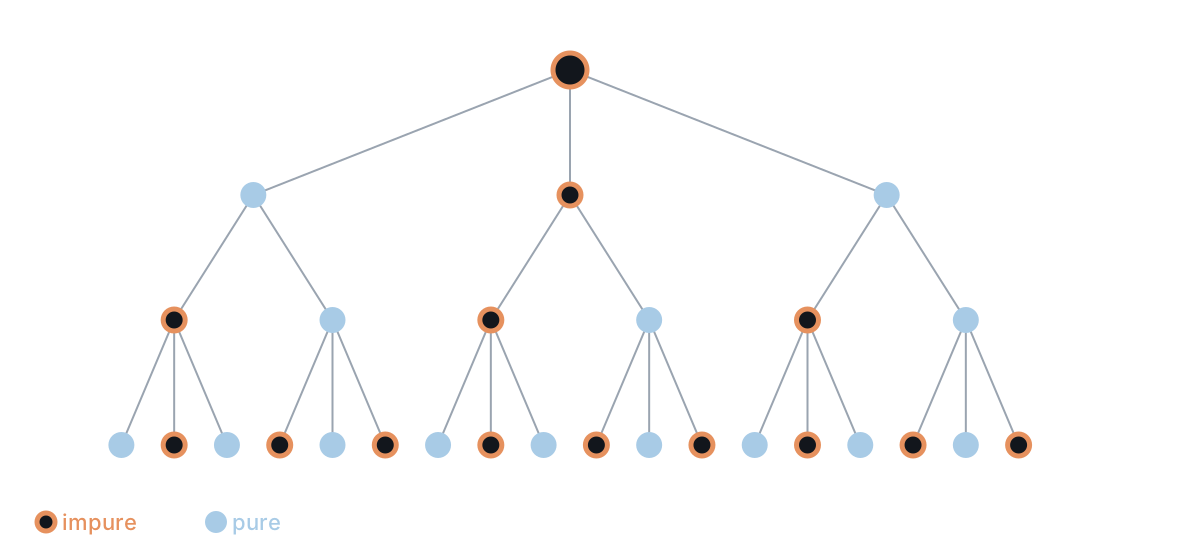
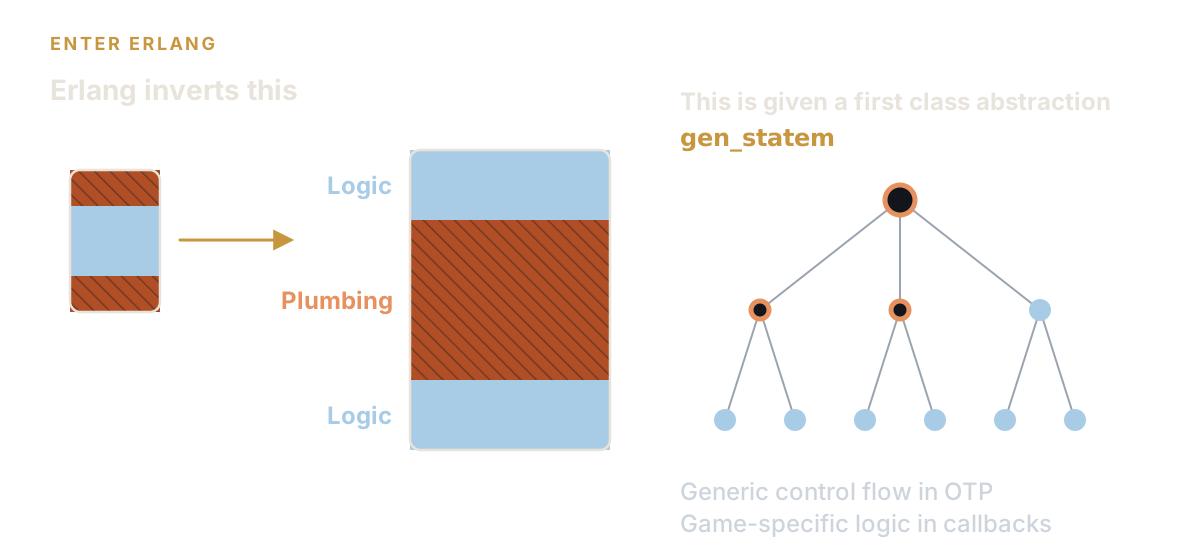
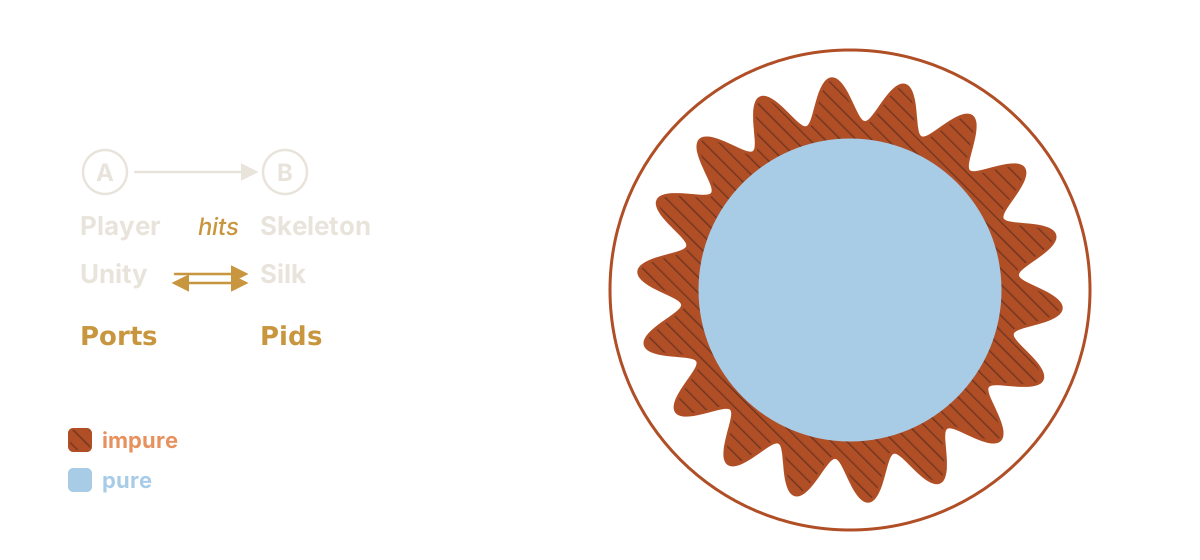
A composition language
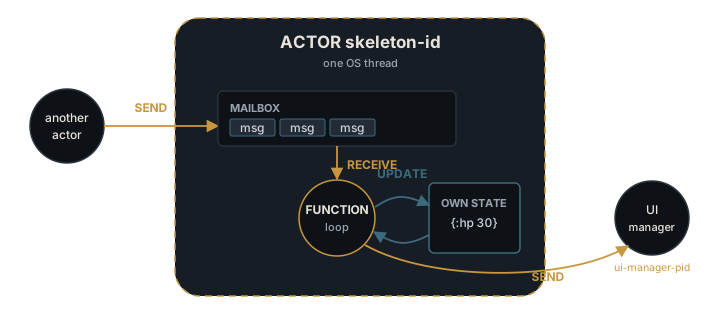
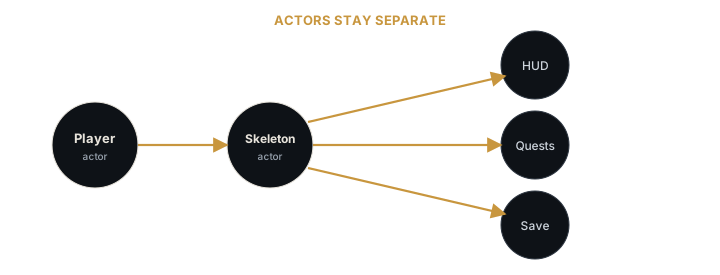
(actor/spawn
  (fn skeleton [ui-manager-pid]
    (loop [state {:hp 30}]
      (let [state (handle state (actor/receive!))]
        (actor/send! ui-manager-pid {:hp (:hp state)})
        (recur state))))
  ui-manager-pid)
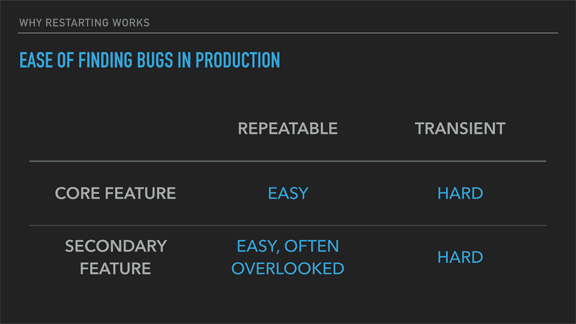
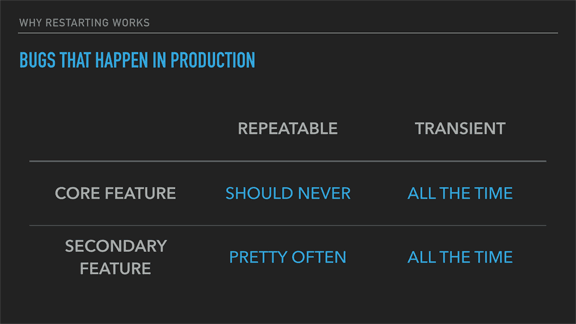
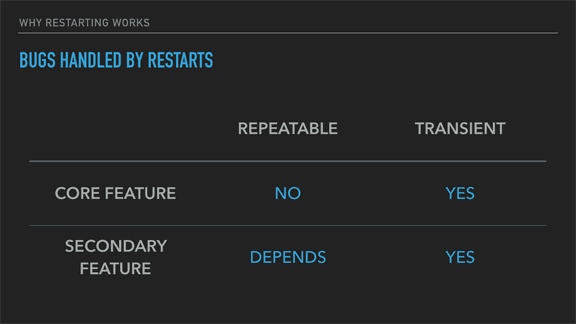
Fred Hébert, “The Zen of Erlang,” ferd.ca, February 8, 2016 · repeatable = Bohrbugs, transient = Heisenbugs (Jim Gray, 1985)
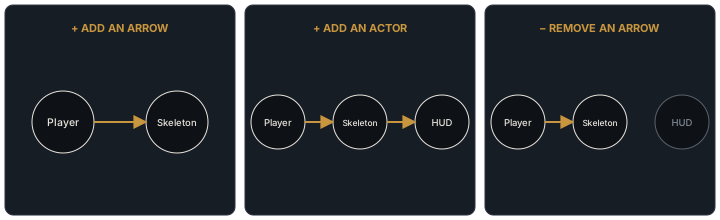
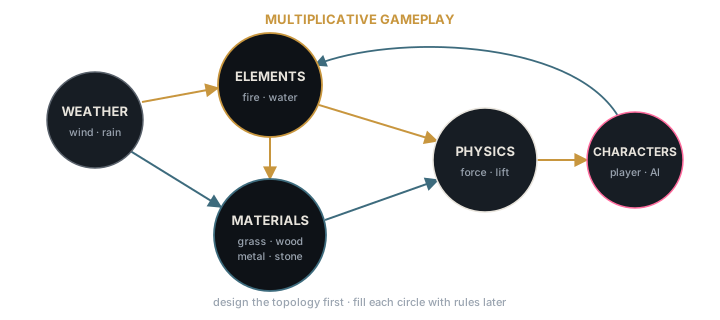
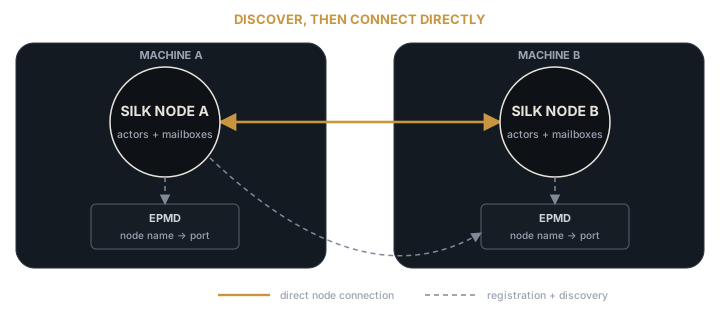
Ports
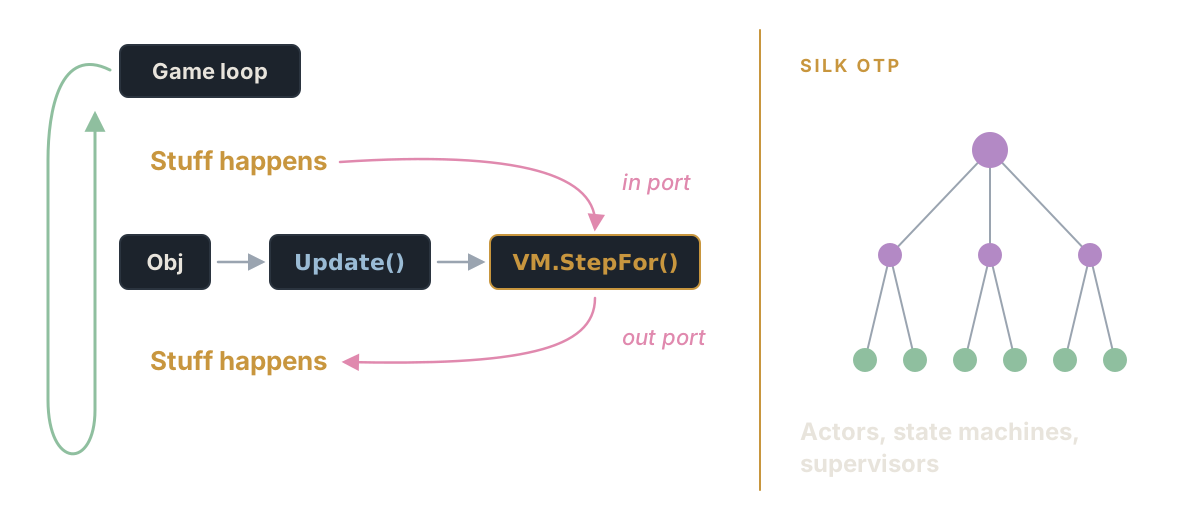
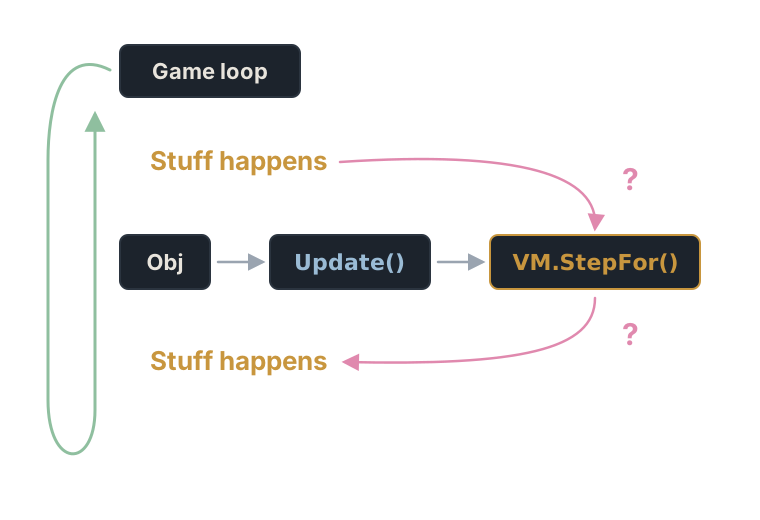
void Awake()
{
    _vm = SilkVm.Attach(
        () => (long)(Time.fixedTime * 1000));
    _out = _vm.OpenPort(SilkRT.Kw("t04", "out"));
    _vm.Resolve(Sym.Ns("t04.app"),
                Sym.Name("start!")).Invoke();
}

void Update()
{
    _vm.StepFor(stepBudgetMs, stepChunkTurns);
    foreach (var msg in _out.Drain())
        HandleGameEffect(msg);
}
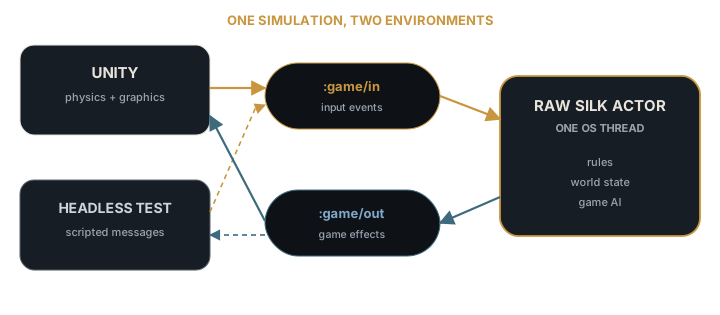

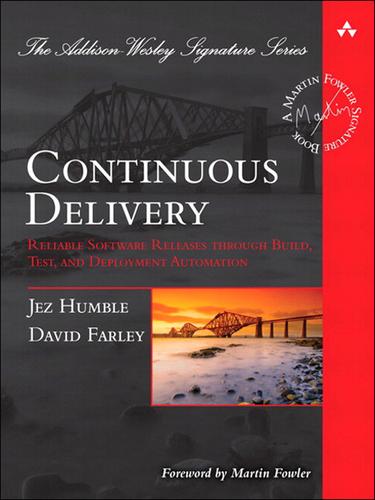

David Farley, Modern Software Engineering (2021) · Humble & Farley, Continuous Delivery (2010) · the MSE channel on YouTube
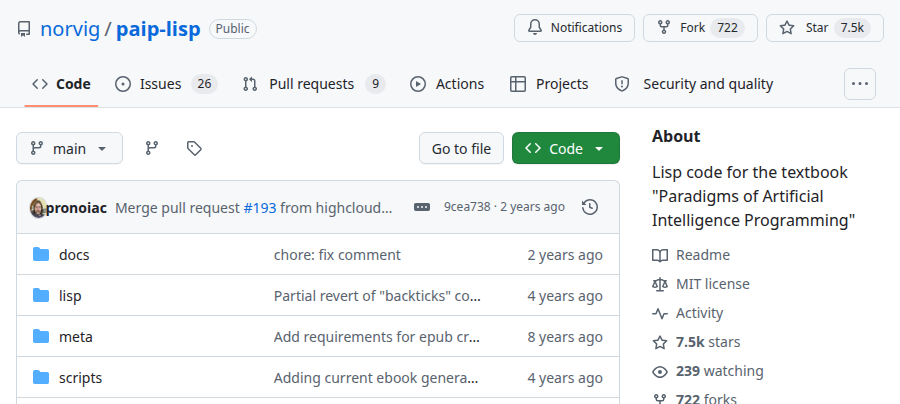

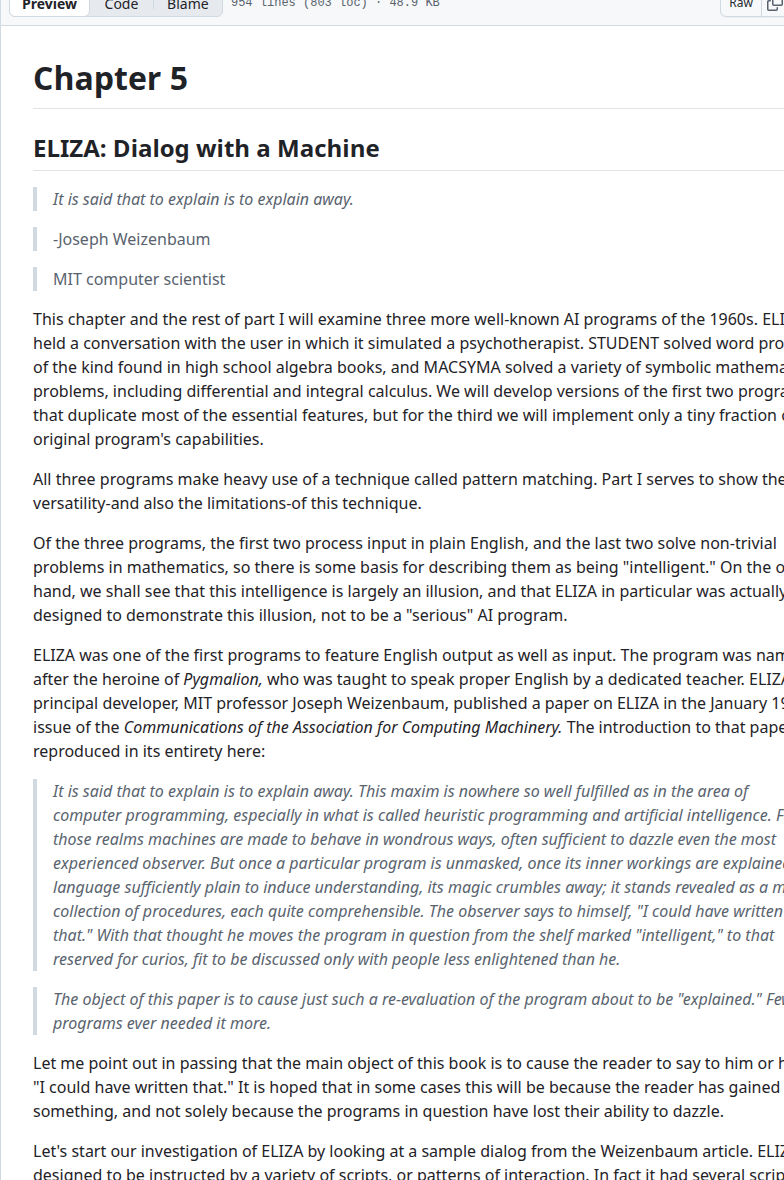
Peter Norvig, Paradigms of Artificial Intelligence Programming (1992) · github.com/norvig/paip-lisp
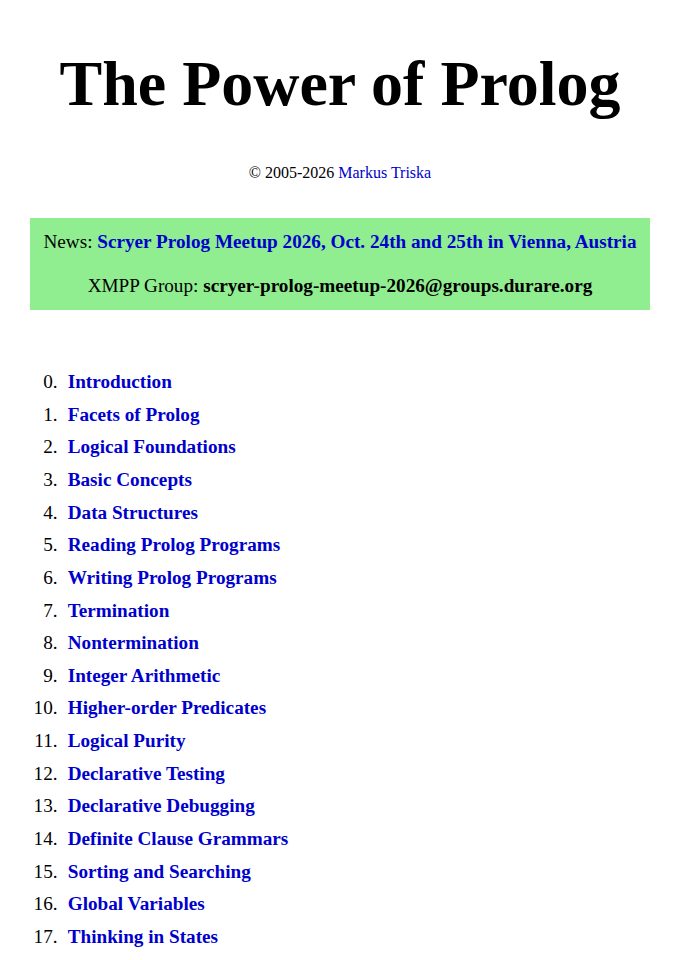
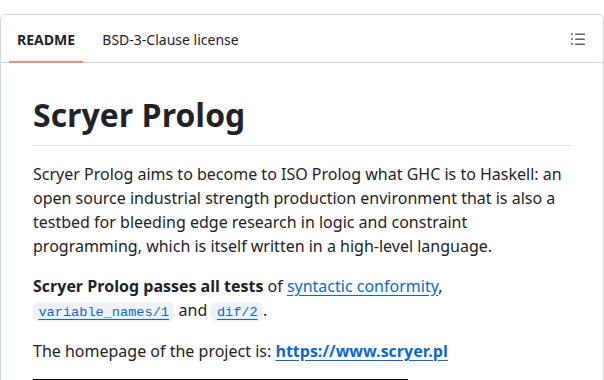
Markus Triska, The Power of Prolog · metalevel.at/prolog · youtube.com/@ThePowerOfProlog · Scryer Prolog · libscryer-clj
A (love) language